PCOS Symptoms & Management: A Guide for Women in Pakistan
By the Floraceutica Health Team · 5 min read
Polycystic Ovary Syndrome (PCOS) affects an estimated 1 in 5 women of reproductive age in South Asia — a rate notably higher than in many Western populations, likely linked to a combination of genetic and lifestyle factors. Despite how common it is, PCOS is still frequently under-diagnosed or dismissed as "just irregular periods" across Pakistan.
Common Symptoms of PCOS
- Irregular, infrequent, or prolonged menstrual cycles
- Excess facial or body hair growth (hirsutism)
- Persistent acne, particularly along the jawline
- Difficulty losing weight, or unexplained weight gain
- Thinning hair on the scalp
- Darkened skin patches, particularly around the neck or underarms
- Difficulty conceiving
Not every woman with PCOS experiences all of these symptoms — presentation varies significantly from person to person, which is part of why diagnosis can take time.
Why Early Recognition Matters
PCOS is often first noticed during the teenage years, sometimes overlapping with the natural irregularity of early menstrual cycles, which can delay diagnosis. Left unaddressed, PCOS is associated with higher long-term risk of insulin resistance, Type 2 diabetes, and cardiovascular concerns — which is why early conversations with a gynaecologist matter, even if symptoms seem mild.
How PCOS Is Typically Managed
PCOS management is highly individualised and should be guided by a gynaecologist, often including:
- Diagnostic testing — blood tests for hormone levels and often a pelvic ultrasound.
- Dietary changes — particularly reducing refined carbohydrates, which can improve insulin sensitivity, a key factor in PCOS.
- Regular exercise — shown to improve both metabolic and hormonal markers in women with PCOS.
- Medication, where appropriate, prescribed and monitored by a doctor.
- Weight management, where relevant — even modest weight loss can improve symptoms for some women.
A Daily Hormone-Friendly Routine
- Build meals around fiber and protein rather than refined carbohydrates, which supports more stable insulin levels.
- Move your body regularly — even brisk walking has measurable benefits for PCOS symptoms.
- Prioritise consistent sleep, which plays a meaningful role in hormonal regulation.
- Manage stress deliberately — chronic stress affects the same hormonal pathways involved in PCOS.
- Consider daily nutritional support alongside your doctor's treatment plan.
Where Nutritional Support Fits
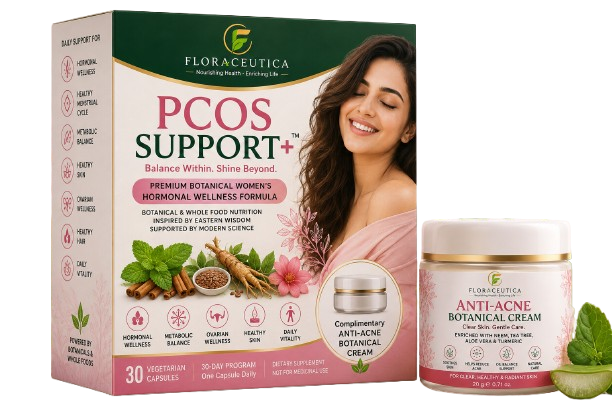
Our PCOS Support+™ formula combines Shatavari, Cinnamon and Spearmint — botanicals traditionally used in women's wellness — with a whole-food fiber blend, alongside a complimentary Anti-Acne Botanical Cream. It is designed as daily nutritional support, not a replacement for medical diagnosis and treatment.
If PCOS symptoms began during your teenage years, our growth-focused article on why height growth slows during puberty touches on the connection between puberty timing and hormonal health. You may also find our guide on hormonal acne and PCOS skincare useful.
⚠️ A Note On Medical Advice
This article is for general educational purposes and does not replace professional medical advice, diagnosis, or treatment. If you have concerns about your health, please consult a qualified doctor. Our free medical consultation line is available at 03117007111 (Dr. Zafar Iqbal Mian).
Related Product